


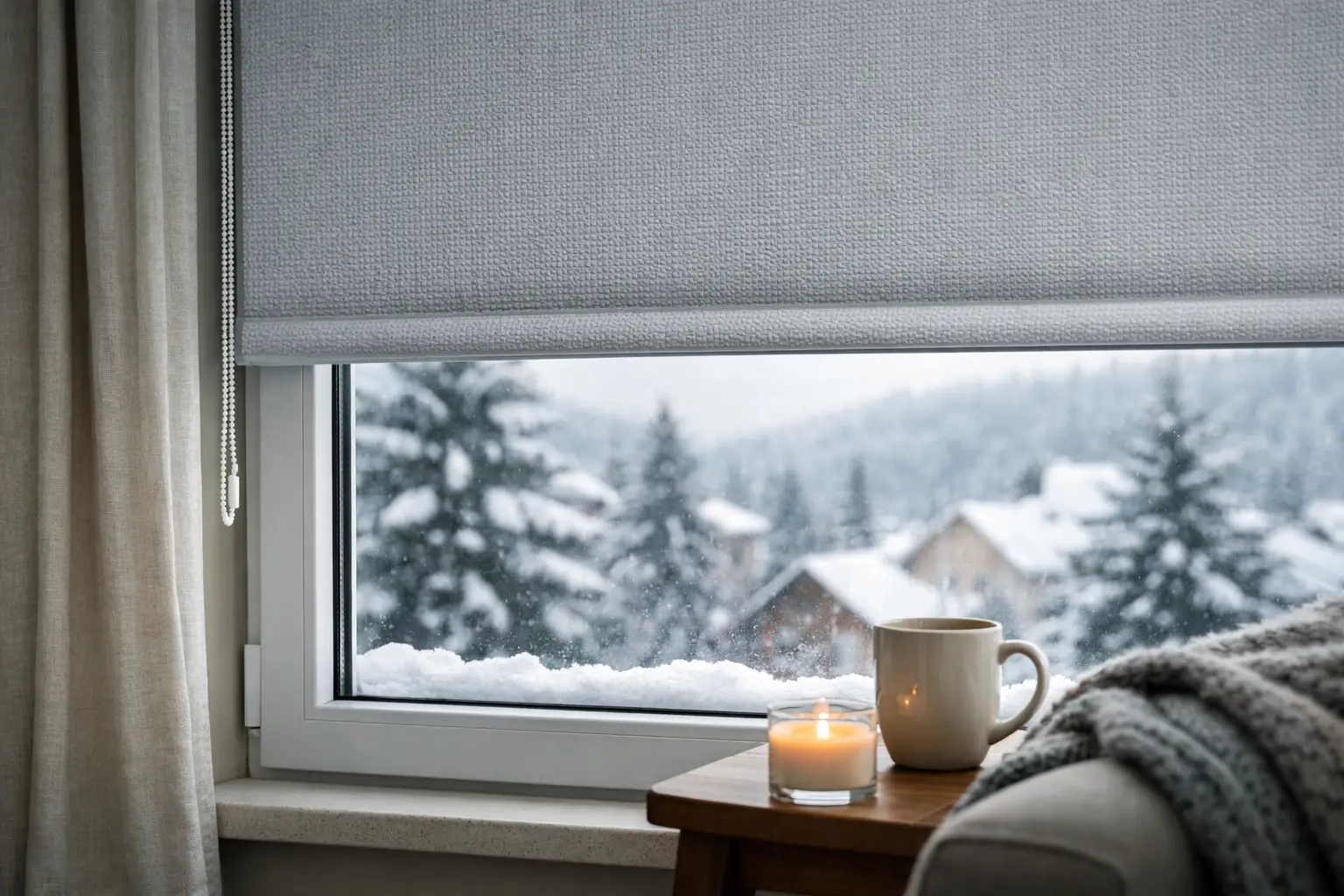
When the temperature drops, windows quickly become one of the biggest weak points in any room. Even a well-heated home can feel chilly if cold air gathers around the glass and warm air escapes too easily. That is why thermal blinds for winter are such a practical upgrade – they do more than finish a room neatly, they help make it feel warmer and more comfortable day-to-day.
For many households and businesses across Coventry and the West Midlands, the issue is not just heating bills. It is the constant draught near a bay window, the bedroom that never feels quite warm enough, or the office space that is harder to keep comfortable first thing in the morning. The right blind can help with all of that, but only if you choose a style and fabric that genuinely suits the room.
How thermal blinds for winter actually help
Thermal blinds work by adding an extra layer between the window and the room. That layer slows down heat transfer, which means less warmth escapes through the glass. In winter, that can make a noticeable difference, particularly on older windows or larger glazed areas where heat loss is more obvious.
The effect comes from the fabric, the construction and the fit. Some thermal blinds use specially coated materials or insulating linings designed to retain heat more effectively than standard fabrics. A made-to-measure fit also matters because gaps around the edges reduce how well the blind performs. If a blind leaves too much space at the sides or sits awkwardly against the frame, warm air can still circulate and escape more easily.
This is where people sometimes expect too much. Thermal blinds are helpful, but they are not a replacement for proper insulation or quality glazing. They work best as part of a wider approach to keeping a property warm. Think of them as a practical improvement that supports comfort and efficiency rather than a miracle fix.
Which rooms benefit most from thermal blinds for winter?
Some rooms show the benefits straight away. Bedrooms are a common example because the temperature tends to drop overnight, and a thermal blind can help reduce that cold feeling around the window. Blackout thermal fabrics can be especially useful here, giving you both warmth and better light control.
Living rooms also tend to benefit, especially if they have wide windows, patio doors or bay fronts. These spaces are often heated for long periods, so reducing heat loss can improve comfort and make the room feel more consistent throughout the day.
In kitchens and bathrooms, it depends more on moisture levels and the type of blind you choose. You still want insulation, but you also need a material that can cope with condensation and regular cleaning. In these rooms, a practical moisture-resistant option may be a better fit than a soft fabric blind.
Commercial settings can benefit too. Offices, salons, clinics and waiting areas all need to feel comfortable without pushing energy costs too high. A tailored blind that improves insulation while maintaining a professional finish is often a sensible investment, particularly for front-facing windows or spaces with large panes of glass.
The best blind styles for winter warmth
Roller blinds are one of the most popular options because they are clean, versatile and available in a wide range of thermal fabrics. A made-to-measure roller blind with an insulating backing can sit neatly within the recess or across the window opening, helping to reduce cold transfer while still looking simple and modern.
Roman blinds can also perform well when made with thicker materials or thermal linings. They tend to create a softer, more decorative look, which appeals to homeowners who want warmth without giving up style. The trade-off is that they may require a little more care than simpler blind types.
Cellular blinds, sometimes called honeycomb blinds, are specifically designed with insulation in mind. Their internal pockets trap air, which helps create a barrier at the window. They can be very effective in winter, although style preference, budget and room design all play a part in whether they are the right choice.
Venetian and vertical blinds are often chosen for their light control and practicality, but they are not always the first option people think of for insulation. Even so, the right materials can still contribute to better comfort, especially when combined with accurate fitting and thoughtful product selection. It really comes down to balancing heat retention with the look, maintenance and function you need.
Why made-to-measure matters more than people think
A thermal fabric helps, but fit is just as important. Off-the-shelf blinds often leave uneven gaps, especially in older properties where window recesses are rarely perfectly square. Those gaps may seem minor, but they affect both appearance and performance.
A made-to-measure blind is designed for the actual window, not a rough standard size. That gives a cleaner finish and usually better coverage, which supports insulation. It also removes the guesswork that leads many people to order the wrong width or drop, only to end up with a blind that never quite sits properly.
For landlords and business owners, that reliability matters. You want a product that looks professional, fits correctly and lasts. For homeowners, it is often about convenience as much as anything else. Expert measuring and fitting save time, reduce mistakes and give you confidence that the blind is doing the job it is meant to do.
What to look for when choosing thermal blinds
The first question is simple: what problem are you trying to solve? If the main issue is a cold bedroom, a blackout thermal roller blind could be ideal. If the room also needs a softer, more decorative finish, a lined Roman blind may suit better. If you are dealing with a workspace that needs privacy, glare control and warmth, the specification might shift again.
Fabric thickness matters, but thicker is not always automatically better. You also need the right backing, good light control and a blind style that suits the window. South-facing rooms may need help with glare and UV exposure as well as winter insulation. Ground-floor rooms may prioritise privacy. Family homes may need child-safe operation. In short, the best answer depends on how the room is used.
Colour and finish matter too. Lighter shades can keep a room feeling bright in winter, while darker tones may create a cosier look. Neither choice changes the basic value of the thermal layer, but it does affect how the room feels overall. Practical performance and visual appeal should work together.
Are thermal blinds enough on their own?
Sometimes they make a clear difference on their own, especially in rooms with obvious heat loss at the window. But there are situations where expectations need to stay realistic. If the property has single glazing, damaged seals or major draught issues elsewhere, blinds will help but they will not solve every comfort problem.
That said, they are often one of the easier upgrades to make. Compared with more disruptive home improvements, installing fitted thermal blinds is relatively straightforward and gives immediate everyday benefits. You notice the room feels less exposed, less draughty and often more comfortable at the times when cold windows are most noticeable.
For customers who want a practical step rather than a full renovation, that balance makes sense. A well-chosen blind can support energy efficiency, improve how a room feels and add a polished finish at the same time.
Choosing a local service can make the process easier
When you are buying blinds for warmth as well as appearance, tailored advice matters. A local specialist can assess the room, look at the size and position of the window, and recommend a product that suits both the space and your budget. That is often far more useful than choosing from photos alone.
For homes and businesses in Coventry and across the West Midlands, a full measuring and fitting service removes a lot of the usual hassle. It also means the final result is based on how the blind will perform in real use, not just how it looks on a product page. Queen Blinds takes that practical approach, helping customers choose made-to-measure solutions that work for the property as well as the style.
Thermal blinds are not about chasing trends. They are about making rooms more comfortable in the months when windows work against you. If winter leaves part of your home or business feeling colder than it should, the right blind is often a smarter upgrade than people expect.