


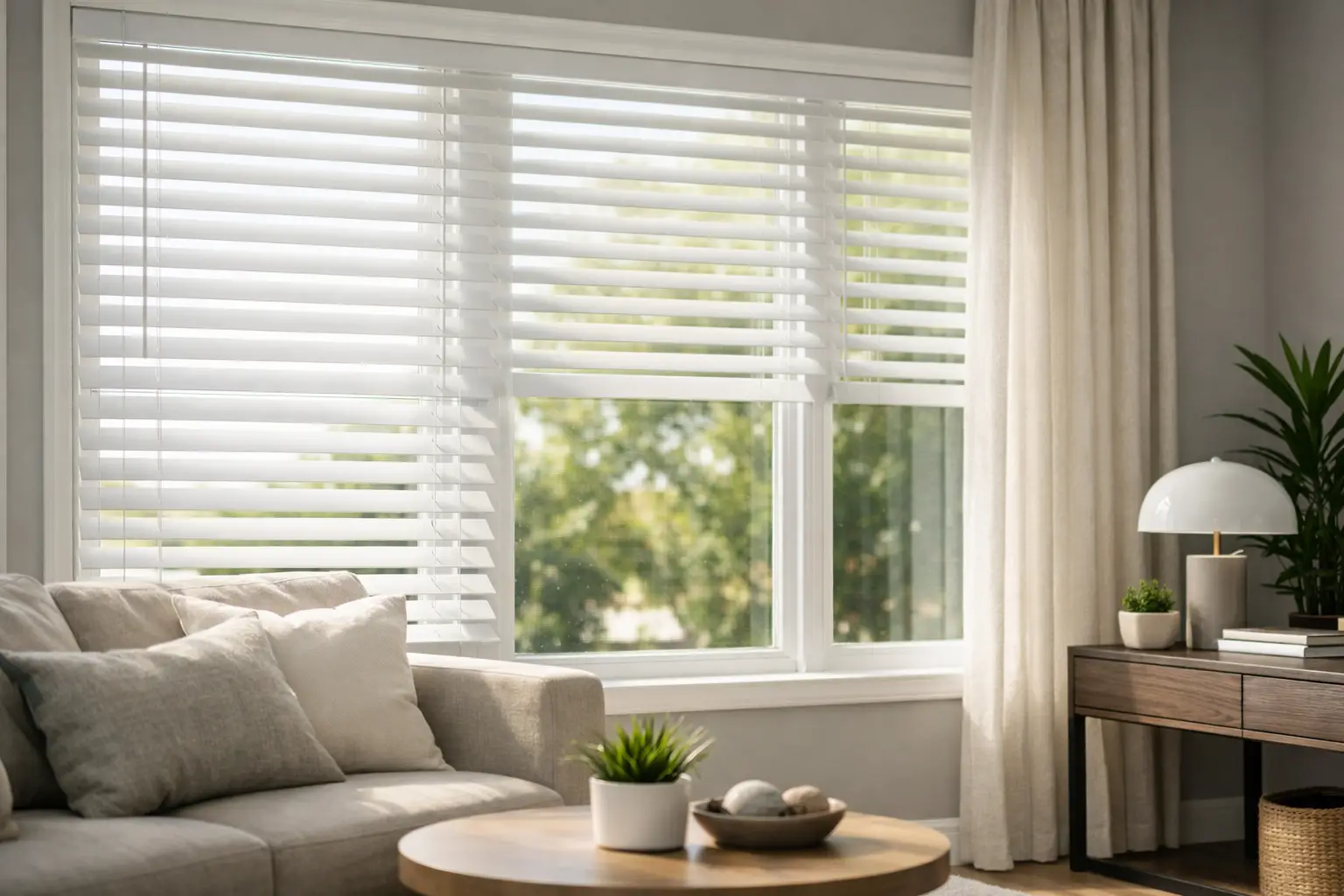
A window that is slightly awkward on paper usually becomes far more awkward in real life. Too much glare on the television, a bedroom that never quite darkens, a bay window with gaps at the edges, or an office that feels exposed by mid-afternoon – these are the everyday problems custom blinds are meant to solve. When blinds are made to measure, they do more than look neater. They work properly for the room, the people using it and the way the space is lived in.
Why custom blinds make a real difference
The biggest advantage of custom blinds is fit. Off-the-shelf options can seem convenient, but standard sizes often leave small gaps, sit unevenly or need awkward adjustment on site. That affects privacy, light control and the overall finish. In some rooms, those compromises are minor. In others, especially bedrooms, street-facing lounges and workspaces, they become frustrating very quickly.
A made-to-measure blind is built around the exact width, drop and practical needs of the window. That means cleaner lines, smoother operation and a result that looks intentional rather than improvised. It also gives you more control over details that matter, from fabric weight and slat finish to blackout lining, moisture resistance and child-safe operation.
There is also the question of longevity. Blinds that are correctly measured and professionally fitted tend to wear better because they are not being forced into a space they were never designed for. That can make a noticeable difference in busy family homes, rental properties and commercial settings where reliability matters as much as appearance.
Choosing custom blinds for different rooms
Not every blind suits every space, and that is where tailored advice becomes useful. A style that works beautifully in a dining room may be the wrong choice for a bathroom or a south-facing office.
Bedrooms and nurseries
In bedrooms, light control is usually the priority. Roller blinds with blackout fabrics are a popular choice because they offer a simple, tidy look and help create a darker sleeping environment. In children’s rooms, safety is just as important as shade, so the operating system should be chosen carefully. Motorised or child-safe designs can remove the worry that comes with loose cords.
That said, blackout is not always the only answer. Some homeowners want softness during the day and privacy at night, which may call for a balance between fabric density and natural light. It depends on the room’s use, the direction it faces and how sensitive the occupants are to early morning light.
Living rooms and open-plan spaces
Living rooms tend to need more flexibility. During the day, you may want filtered light without glare. In the evening, privacy becomes more important. Roller blinds work well in modern interiors, while Venetian blinds offer more precise control because the slats can be tilted as the light changes.
For larger spaces, the finish matters too. A blind that is slightly too narrow can look lost against a wide window or patio door. Custom blinds help the room feel better proportioned, especially in open-plan homes where windows play a major role in the overall look.
Kitchens and bathrooms
Moisture and maintenance are the main concerns here. Materials need to cope with steam, splashes and regular cleaning. Venetian blinds in suitable finishes and practical roller fabrics are often a better fit than anything that absorbs damp or stains easily.
This is one of those areas where aesthetics should not be the only deciding factor. A blind may match the colour scheme perfectly, but if it warps, marks or becomes difficult to clean, it will not feel like a good choice for long.
Offices, shops and other commercial spaces
Commercial properties need blinds that look professional and perform consistently. Glare reduction, privacy and durability are often more important than decorative detail alone. Vertical blinds remain a dependable choice for offices because they work well across wider windows and make light control straightforward. In meeting rooms or customer-facing spaces, a more refined finish may be needed to complement the business environment.
For landlords and commercial clients, low maintenance and dependable fitting usually sit high on the list. A tailored product recommendation can prevent the common mistake of choosing purely on price, then replacing the blinds sooner than expected.
Popular custom blinds and what they suit best
Roller blinds are often chosen for their clean, modern appearance. They suit most rooms, come in a wide range of colours and fabrics, and can be adapted for blackout, light filtering or thermal performance. If you want a simple finish that does not compete with the rest of the décor, they are hard to fault.
Venetian blinds offer a more structured look and excellent control over privacy and daylight. They are especially useful where you want to let light in without fully exposing the room. Aluminium styles feel sleek and practical, while wooden-look composite options bring warmth without the maintenance concerns of real wood in humid areas.
Vertical blinds are sometimes overlooked in homes, but they remain a practical option for large windows and doors. In offices, clinics and other commercial interiors, they still earn their place because they are adaptable, smart and easy to use.
Motorised blinds are becoming a more common request as well. For some customers, they are a convenience feature. For others, especially where windows are hard to reach or child safety is a key concern, they are a genuinely practical upgrade. They do involve a higher initial spend, so whether they are worthwhile depends on the room and how often the blinds are used.
The practical benefits beyond appearance
Good blinds should look right, but appearance is only part of the value. Custom blinds can improve privacy, help regulate light and support better energy efficiency. In rooms that lose heat through glazing, the right fabric or slat construction can add a useful extra layer of insulation. That does not replace proper windows, of course, but it can help make a room feel more comfortable.
UV protection is another benefit that is often underestimated. Strong sunlight can fade flooring, furniture and soft furnishings over time. Choosing a blind that helps reduce UV exposure can protect the room as well as improve comfort.
Then there is ease of living with them. Blinds should not feel like a constant adjustment or a source of annoyance. Smooth operation, accurate fitting and sensible material choices all matter more than they might seem at first glance. A blind is something you use every day, so small frustrations add up.
Why measuring and fitting matter as much as the blind itself
A quality blind can still disappoint if the measuring is wrong. Recess depth, handle clearance, uneven walls and the position of the controls all affect the final result. This is why a full-service approach often saves time and uncertainty. Expert measuring removes guesswork, and professional fitting helps ensure the blind performs as it should from day one.
That is particularly valuable in bay windows, wide openings and commercial settings where several blinds need to align neatly. It also helps when customers are unsure whether they need an inside or outside recess fit, or which product is most practical for the space.
For many people across Coventry and the West Midlands, convenience matters just as much as the product. Having a free home appointment, clear recommendations and fitting included turns what could be a trial-and-error purchase into a more straightforward decision. Queen Blinds is built around that kind of service because the best result rarely comes from guesswork.
Getting the right result from custom blinds
The best custom blinds are not always the most expensive or the most feature-heavy. They are the ones that suit the room, the budget and the way the space is used. A family home may need durability and child safety first. A renovated period property may lean more heavily on finish and proportion. A workplace may prioritise glare reduction and easy maintenance.
That is why a one-size-fits-all answer rarely works. A good blind should solve a real problem while still looking right in the room. When measuring, product choice and installation are handled properly, the difference shows immediately – in how the blind sits, how it operates and how the room feels once it is in place.
If you are weighing up options, start with the room itself rather than the catalogue. The right choice is usually the one that makes daily life easier, looks considered and keeps doing its job long after the fitting is finished.