


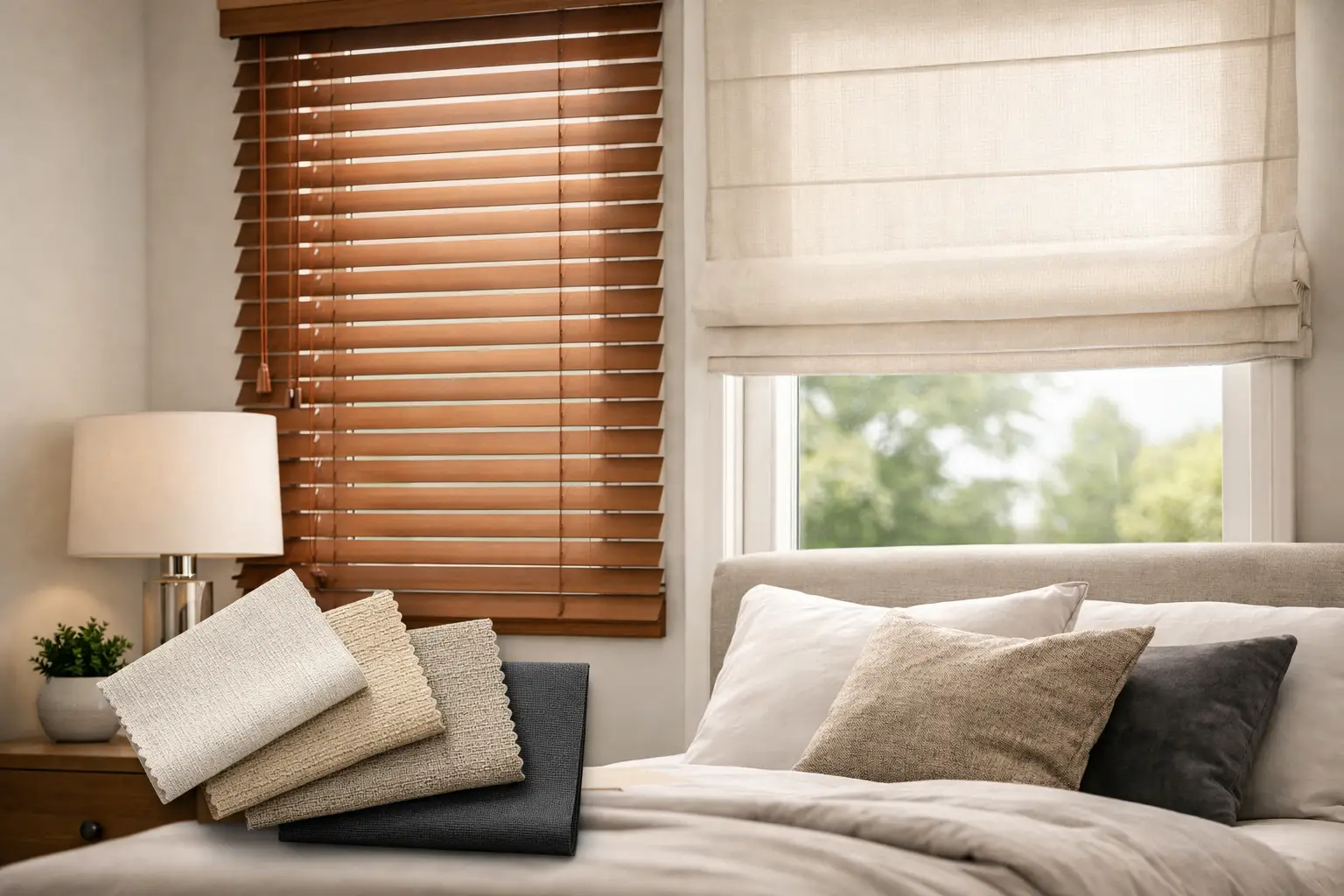
A bedroom can look finished and still feel wrong if the window covering is letting in too much light at 5am, leaving you overlooked, or doing very little to keep the room comfortable. Choosing the best blinds for bedrooms is usually less about following trends and more about getting the balance right between sleep, privacy, warmth and style.
That balance looks different in every home. A main bedroom may need a softer, more decorative finish. A child’s room often needs better blackout and safer operation. A guest room might be more about simplicity and easy upkeep. The right blind is the one that suits how the room is actually used, not just how it looks in a brochure.
What makes the best blinds for bedrooms?
In most bedrooms, four things matter most: light control, privacy, insulation and appearance. If a blind handles all four well, it is doing its job. If it excels in one area but falls short elsewhere, it may still be the right choice, but only if those trade-offs fit your priorities.
Blackout performance is often the first concern, especially for shift workers, young families and anyone dealing with early sun through east-facing windows. It is worth remembering that blackout fabric reduces incoming light significantly, but the overall result also depends on how precisely the blind fits the window. Gaps at the sides can make a noticeable difference.
Privacy is just as important. Bedrooms on street-facing elevations, overlooked estates or newer developments often need more than a light filtering blind. A made-to-measure fit helps here, as it reduces visible gaps and gives the room a neater finish.
Insulation can also affect your decision more than you might expect. Windows are one of the main areas where heat is lost, and a well-fitted blind can help take the edge off chilly mornings and improve comfort at night. That does not turn a blind into a replacement for heating, but it can support a warmer, more energy-efficient room.
Roller blinds are often the most practical bedroom choice
For many homes, roller blinds are the strongest all-round option. They are clean in appearance, straightforward to use and available in a wide range of fabrics, from light filtering to full blackout. That flexibility makes them suitable for everything from minimalist main bedrooms to children’s rooms and guest spaces.
A blackout roller blind is often the first recommendation for anyone who wants better sleep conditions. It offers reliable light control without making the room feel heavy or old-fashioned. If your bedroom gets strong morning light, this style is usually a sensible place to start.
Roller blinds also work well when space is tight. They sit neatly within or above the recess and do not project too far into the room, which can be useful in smaller bedrooms, box rooms or properties where every inch matters. They are also low maintenance, which appeals to landlords and busy households alike.
The trade-off is that roller blinds tend to give a simpler look than some other styles. If your priority is a softer, more layered finish, you may want to pair them with curtains or choose a textured fabric that adds a little more warmth visually.
Blackout blinds for bedrooms that need proper darkness
If sleep quality is the main issue, blackout blinds deserve special attention. They are especially useful in nurseries, children’s bedrooms, loft conversions and any room used by someone working nights. They can also make a big difference in summer, when sunrise comes early and bedtime often happens before it is fully dark.
Not every blackout blind performs equally. The fabric matters, but so does the installation. A blind that is measured and fitted properly will usually give a better result than an off-the-shelf option, simply because it is designed for the exact window size and shape. That matters even more for awkward recesses or older properties where windows are not perfectly square.
It is also worth thinking about the mood you want in the room during the day. Full blackout is excellent at night, but some people prefer a softer filter in the daytime, particularly in dressing areas or guest bedrooms. In that case, the best answer may be a blind that prioritises privacy and style rather than maximum darkness.
Venetian blinds suit bedrooms where light control matters
Venetian blinds are a strong option if you want more control over light throughout the day. Instead of fully up or down being your main choices, you can tilt the slats to adjust brightness and privacy more precisely. That can be useful in bedrooms that need natural light in the morning but more screening from neighbouring windows.
They also suit modern interiors well. Aluminium Venetian blinds can give a crisp, contemporary finish, while wood-effect or composite styles bring in a warmer look without the upkeep concerns of real timber. For bedrooms, that combination of control and appearance is appealing.
The main compromise is blackout performance. Even when fully closed, Venetian blinds typically allow more light through than a blackout roller blind because of the slat design. If total darkness is non-negotiable, they may not be the best standalone solution.
That said, they can be an excellent fit for adults who prefer adjustable light over complete blackout, especially in rooms where privacy during the day is a bigger concern than sleeping in total darkness.
Vertical blinds can work, but they are more room-dependent
Vertical blinds are not always the first style people imagine in a bedroom, yet they can work very well in the right space. They are particularly useful for tall windows, wide openings or bedroom doors leading to a garden or balcony. Their adjustable louvres make it easy to control light and privacy without blocking the whole window.
From a practical point of view, vertical blinds are easy to maintain and can look smart in more contemporary homes. They are also a sensible option for landlords furnishing rental properties, where durability and straightforward operation matter.
The question is usually whether they suit the look you want. In some bedrooms, they can feel more functional than cosy. That does not make them the wrong choice, but it does mean they tend to suit cleaner, simpler schemes better than heavily styled or traditional interiors.
Bedroom blinds should also suit who uses the room
The best blind for a main bedroom is not always the best blind for a child’s room or spare room. This is where tailored advice really helps, because the practical needs can change quickly from one space to the next.
For children’s bedrooms and nurseries, blackout and child safety are often top priorities. A blind needs to darken the room effectively while also being safe and easy for adults to manage. For guest bedrooms, ease of use matters more than anything too technical. Visitors want a blind that feels obvious and reliable, not complicated.
For landlords or renovators preparing a property for sale or let, broad appeal matters. Neutral roller blinds are often the safest choice because they look clean, suit most décors and offer the practical performance most occupants expect.
Why made-to-measure matters in bedrooms
Bedroom windows are less forgiving than many other rooms. Small gaps can let in enough light to disturb sleep, and a poor fit can make an otherwise attractive blind look untidy. That is why made-to-measure blinds are often worth it.
A proper fit improves light control, privacy and overall finish. It also removes the guesswork that comes with trying to measure yourself, especially in bay windows, recesses with uneven plaster, or non-standard sizes. Professional measuring and fitting can make a noticeable difference to the final result.
That is one reason many homeowners across Coventry and the West Midlands prefer a full service rather than buying blinds off the shelf and hoping for the best. With Queen Blinds, the process is designed to be straightforward – from home consultation and measuring through to fitting – so the choice is based on what works for your room, not just what looks good online.
How to choose the right bedroom blind for your home
If you want the shortest answer, start with how you sleep. If light wakes you easily, a blackout roller blind is often the best option. If you want flexible light control and a sharper look, Venetian blinds may suit you better. If the room has large glazed doors or tall windows, vertical blinds could be the most practical answer.
Then consider the room itself. Is it overlooked? Does it get cold? Is it used by children? Do you want the blind to blend in quietly or make more of a style statement? These details matter because the best choice on paper is not always the one that feels right once it is fitted.
Colour and finish should come last, not first. It is natural to start by thinking about décor, but performance is what you live with every day. Once the practical side is right, the design side becomes much easier.
The best bedroom blind is the one that helps the room do what it is meant to do – feel private, restful and comfortable from the moment you wake up to the moment the lights go out.