


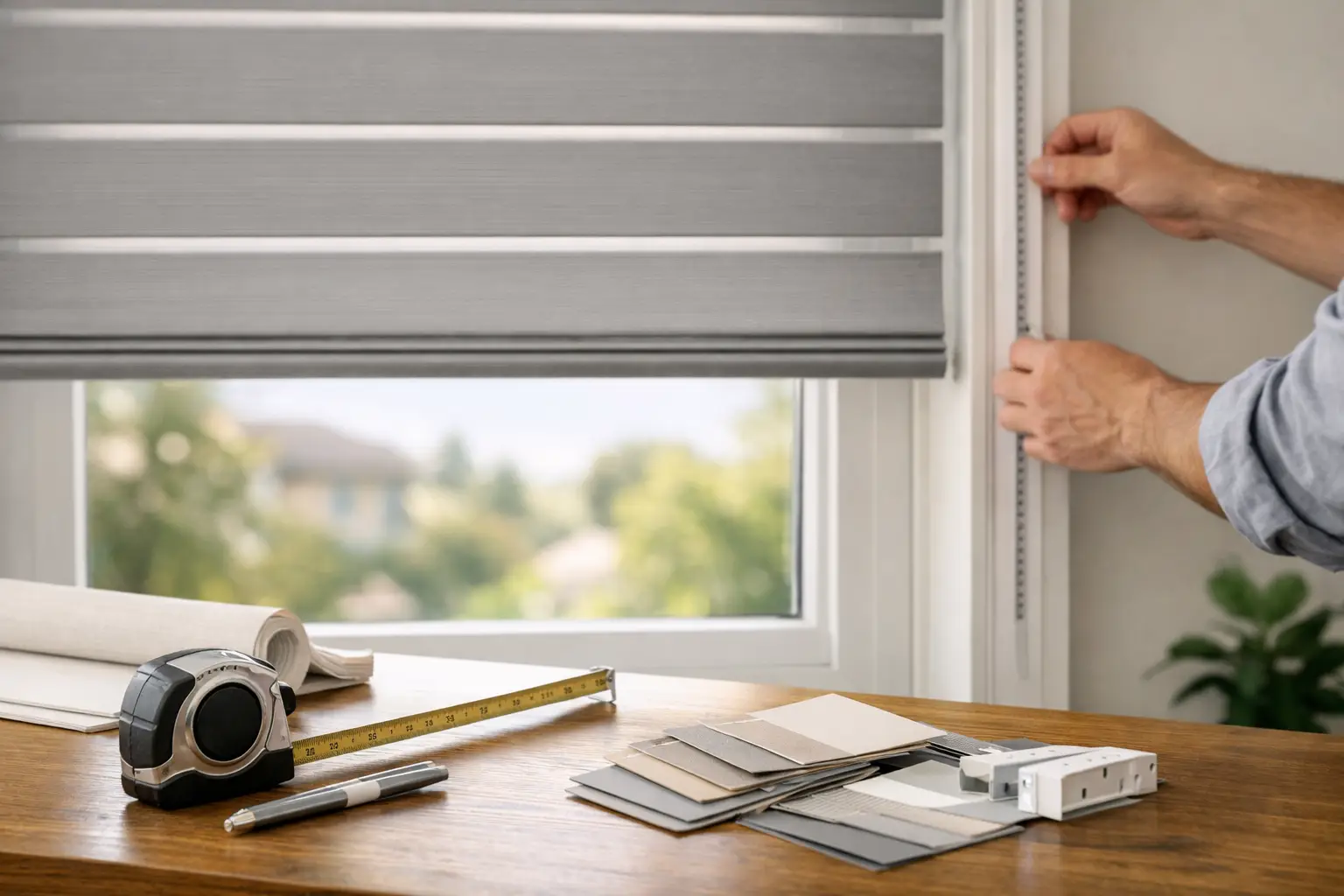
A blind that looks perfect in a photo can be a poor fit in real life. Windows are rarely as standard as people expect, especially in older homes, bay windows, offices with wide openings, or rooms where neat light control really matters. That is exactly why homeowners and businesses often ask how made to measure blinds work and whether they are worth it.
The short answer is simple. Made to measure blinds are produced to the exact size and specification of your window, rather than bought off the shelf in a limited range of fixed sizes. But the real value is in the process behind them – accurate measuring, tailored product advice, custom manufacturing and professional fitting that leaves the blind looking clean, operating properly and performing as it should.
How made to measure blinds work from start to finish
The process usually begins with a survey or home appointment. Instead of guessing sizes with a tape measure and hoping for the best, a blinds specialist checks the width, drop, recess depth and any details that could affect installation. That might include window handles, tiles, radiators, shallow recesses, uneven plasterwork or doors that need clearance to open fully.
This stage matters more than many people realise. Two windows that look identical can measure differently by several millimetres, and with blinds that is enough to affect the finish. A blind that is too narrow can leave unwanted gaps at the sides. One that is too wide may catch, sit awkwardly or not fit inside the recess at all.
After measuring, the next step is choosing the blind type, finish and operating system. This is where bespoke service makes a practical difference. A bedroom may suit blackout roller blinds for better sleep. A kitchen or bathroom may benefit from moisture-resistant materials. An office might need vertical blinds to manage glare on screens, while a living room could call for Venetian blinds that offer more flexible control over light and privacy.
Once the specification is agreed, the blind is made to those measurements. The fabric, slats, headrail and controls are prepared to match the selected width and drop. If the customer has chosen motorised operation, child-safe controls or insulating materials, those features are built into the order at this stage.
The final part is fitting. The blind is installed level, secure and positioned correctly for smooth use. A proper fit is not just about appearance. It affects how well the blind opens and closes, how close it sits to the window, and how effective it is at reducing light, improving privacy and helping with temperature control.
Why exact measuring makes such a difference
One of the biggest misunderstandings about blinds is that close enough is good enough. In reality, a few millimetres can change the result. Made to measure blinds are designed around the actual opening, not a rough estimate or a standard retail bracket.
That is especially helpful in homes with older windows, extensions, conservatories or bay fronts, where dimensions can vary more than expected. It is just as useful in commercial spaces, where a neat and consistent finish across multiple windows gives a more professional appearance.
There is also a choice between fitting inside the recess or outside it. A recess fit creates a tidy, built-in look, but it depends on the window opening having enough depth and allowing space for handles or vents. An exact fit outside the recess can make a small window appear larger and may reduce more light around the edges, particularly with blackout options. The right answer depends on the room, the window and what the blind needs to do.
Made to measure does not just mean size
When people hear bespoke blinds, they often think only about width and drop. In practice, made to measure covers much more than dimensions.
It includes the style of blind, the material, the colour, the finish, the control type and the performance features. That might mean a blackout fabric in a nursery, a wipe-clean surface in a kitchen, wooden-look composite slats in a bathroom, or motorised blinds for large or hard-to-reach windows.
This is where the custom approach often saves money and hassle in the long run. Instead of trying to make a standard blind work in a room it was not designed for, you choose a blind that suits the room properly. The end result usually looks better, lasts longer and works harder day to day.
What happens during a professional measuring appointment
A professional appointment is usually straightforward and far less disruptive than many customers expect. The aim is to take accurate measurements, understand how the room is used and recommend suitable options.
The measurer will check more than the window size. They may look at how much privacy is needed, whether the room gets strong sun, whether insulation would help, and whether there are any child safety considerations. In a family home, that could mean selecting safer control options. In a workspace, it could mean finding a blind that cuts glare without making the room feel dark.
This advice is part of what makes the service valuable. A beautiful blind that does not suit the room can quickly become frustrating. The right recommendation balances appearance with practical use.
How manufacturing and fitting affect the final result
Even the best measurements need careful production and installation. A made to measure blind is built to order, which allows details to be aligned to the exact specification rather than adapted from a standard stock item.
For roller blinds, that means the fabric is cut to size and fitted to the correct tube and mechanism. For Venetian blinds, the slats are sized to suit the window and the headrail is prepared accordingly. For vertical blinds, the track and louvres are made to match the opening and the chosen drop.
Fitting then brings everything together. Brackets must be secure, the blind needs to hang evenly, and controls must be positioned for safe and comfortable use. If motorised features are included, they also need setting up properly so the blind runs smoothly.
A poor installation can spoil a good product. A good installation makes the blind feel like part of the room.
Are made to measure blinds worth it?
For many customers, yes – especially when appearance, fit and convenience matter. Off-the-shelf blinds can be useful for temporary solutions or very standard windows, but they often involve compromise. You may need to accept a near match in size, a limited colour range, or a finish that leaves larger gaps than you would like.
Made to measure blinds are more precise, but precision is not the only benefit. They can improve privacy, help manage heat and glare, create a tidier finish and reduce the stress of measuring and fitting yourself. That is often why landlords, renovators and busy homeowners choose a full measuring and fitting service.
It is fair to say they are not the cheapest option upfront in every case. But when you consider the risk of ordering the wrong size, the time spent adjusting or returning products, and the difference in finish, bespoke blinds often offer better value.
How made to measure blinds work for different rooms
Different rooms place different demands on a blind. A bedroom may prioritise darkness and softness of finish. A bathroom needs moisture resistance and privacy. A kitchen often needs a blind that is easy to wipe clean and practical around sinks, hobs and doors. In offices and commercial spaces, durability and light control tend to be higher priorities.
That is why a one-size-fits-all approach rarely works well across an entire property. Made to measure blinds allow each room to be treated individually while still keeping a consistent overall look.
For customers across Coventry and the West Midlands, this is often where a local specialist such as Queen Blinds adds real value. The service is not only about supplying blinds. It is about understanding the property, recommending the right solution and making sure the finished result feels properly tailored.
A better fit usually means a better everyday experience
The real test of any blind starts after installation. Does it open smoothly? Does it sit neatly? Does it block the right amount of light, protect privacy and suit the room? Those practical details are what made to measure is really about.
When blinds are measured correctly, made for the space and fitted with care, they do not feel like an afterthought. They feel finished. And if you are choosing blinds for a home, rental property or business, that peace of mind is often the part that matters most.