


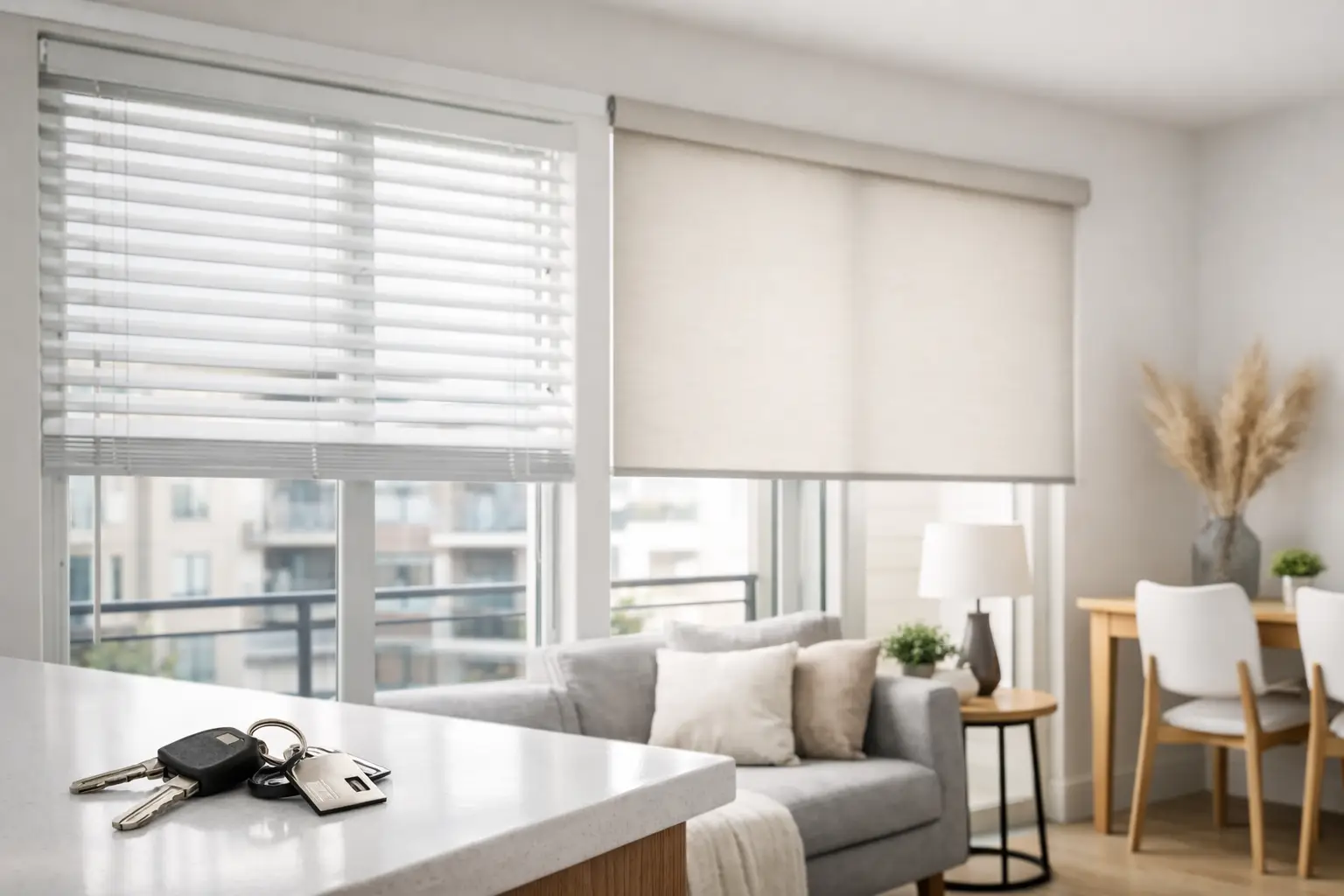
A scuffed wall can be repainted in an afternoon. A poor window covering tends to cause problems for far longer. In rental homes, the wrong choice can mean bent slats, broken cords, difficult cleaning, unhappy tenants and repeat replacement costs. That is why choosing the right blinds for rental properties is less about chasing trends and more about getting the balance right between durability, appearance, privacy and value.
For landlords, letting agents and property renovators, blinds are one of those details that quietly shape how a home feels. They affect first impressions at viewings, day-to-day comfort for tenants and how much maintenance you deal with later. The best option is usually the one that looks smart, works reliably and stands up well to regular use.
What matters most when choosing blinds for rental properties
Rental properties have a different set of priorities from owner-occupied homes. A landlord may love the look of delicate fabrics or specialist finishes, but if they are hard to clean or easy to damage, they can become a false economy.
In most lets, the best blinds are straightforward to operate, simple to wipe down and neutral enough to suit different interiors. They should offer good privacy, especially in bedrooms and street-facing rooms, while still looking clean and well-fitted. Safety matters too, particularly in family homes, so child-safe options should never be treated as an afterthought.
There is also the question of replacement cycles. If a blind lasts well over several tenancies, it usually represents better value than a cheaper product that looks tired within a year or two. That is why made-to-measure blinds are often the sensible choice. A proper fit tends to look better, perform better and suffer less strain in daily use.
The best types of blinds for rental properties
Not every blind suits every room. The right choice depends on how the property is used, the type of tenant and the level of wear you expect.
Roller blinds
Roller blinds are often the most practical all-round option for rental homes. They are neat, compact and easy to use, which makes them suitable for bedrooms, lounges, kitchens and home offices. They also work well in modern interiors because they give a clean, uncluttered finish.
From a landlord’s point of view, roller blinds are appealing because there are fewer parts to catch dust or become misaligned. A simple wipe-clean fabric can be far easier to maintain than more intricate alternatives. Blackout roller blinds are especially useful in bedrooms, where tenants expect better light control and privacy.
The trade-off is that very low-cost roller blinds can show wear quickly if the mechanism is poor. A better-made blind with reliable components will usually save money over time.
Vertical blinds
Vertical blinds remain a strong choice for larger windows and patio doors. In rental properties with wide glazing, they allow good light control and are relatively easy to adjust. They can also be practical in living rooms and dining spaces where tenants may want privacy without shutting out daylight entirely.
One advantage is that individual louvres can sometimes be replaced if damaged, which may be more cost-effective than replacing the full blind. On the other hand, they can be less suitable in homes where rough handling is likely, as slats may twist or become detached if treated carelessly.
When specified well and fitted correctly, vertical blinds still offer a tidy, professional look that suits many rental settings.
Venetian blinds
Venetian blinds are popular because they provide precise control over light and privacy. They suit kitchens, bathrooms and contemporary living spaces particularly well. For rentals, the best approach is often to choose durable aluminium or composite options rather than materials that can warp or mark easily.
Composite Venetian blinds with a wooden-look finish can be a smart middle ground. They give the appearance of timber but tend to cope better with moisture and day-to-day use. That makes them especially useful in properties where you want a warmer look without the upkeep of real wood.
The main consideration with Venetian blinds is cleaning. Dust can gather on the slats, so they may need more regular attention than a roller blind. For some landlords, that is perfectly acceptable. For others, particularly in high-turnover lets, a simpler blind may be the better fit.
Choosing room by room
A practical rental property rarely needs the same blind in every room. Matching the blind to the space usually gives better results than trying to force one style throughout.
Bedrooms benefit from blackout fabrics or at least strong privacy control. Tenants notice quickly if a bedroom lets in too much early morning light, especially in street-lit areas. Roller blinds are often the easiest answer here, giving a clean finish and reliable performance.
Living rooms need a balance. Too much glare makes the room uncomfortable, but a space that feels dark all day can seem smaller and less inviting. Roller, vertical or Venetian blinds can all work here depending on the window size and the overall style of the property.
Kitchens and bathrooms call for moisture-resistant, easy-clean materials. This is where aluminium Venetian blinds or suitable wipe-clean rollers tend to perform well. Fabric choices need more care in these rooms, as steam and splashes can shorten their lifespan.
For patio doors or large glazed areas, vertical blinds often remain one of the most sensible options. They are easy to draw aside and can help manage both sunlight and privacy without making the room feel heavy.
Durability, safety and maintenance
Landlords usually know that appearance matters, but maintenance is what affects cost over the long term. A blind that looks excellent on day one but is awkward to clean or easy to damage can soon become a recurring issue.
The most reliable blinds for rental properties tend to have sturdy operating mechanisms, good-quality brackets and materials that can handle regular handling. Neutral colours often make sense because they hide minor wear better and suit a wider range of tenants and décor schemes.
Safety should be built into the specification from the start. In family homes and any property where children may live or visit, compliant child-safe systems are essential. This is not just a box-ticking exercise. It is part of providing a responsible, professionally finished home.
It is also worth thinking about insulation and UV protection. In some rentals, especially older properties, the right blind can help reduce glare, improve comfort and support energy efficiency. That may not be the only reason for choosing a particular product, but it can be a valuable added benefit.
Why made-to-measure is usually worth it
Ready-made blinds can seem appealing when cost is the main concern, but they often create compromises. Gaps at the sides reduce privacy. Poor sizing can make blinds harder to operate. An ill-fitting blind can also make an otherwise tidy room look unfinished.
Made-to-measure blinds usually provide a better result because they are tailored to the exact window. That matters in rental properties, where consistency and reliability are valuable. A properly measured and professionally fitted blind tends to sit better, work better and leave a stronger impression at viewings.
This is also where service makes a real difference. For landlords managing multiple rooms or preparing a property between tenancies, having expert advice on suitable blind types, accurate measuring and fitting included can remove a lot of hassle. It shortens the decision process and reduces the risk of expensive mistakes.
For property owners across Coventry and the West Midlands, Queen Blinds supports that process with made-to-measure options, practical recommendations and professional fitting, helping landlords choose blinds that are built for everyday use rather than short-term convenience.
Getting the balance right
There is no single perfect answer for every rental. A higher-end city flat may justify smarter finishes and upgraded features. A busy family let may need the simplest, toughest solution possible. The right blind depends on the property, the tenant profile and how hands-on you want to be with future maintenance.
What stays consistent is the value of choosing blinds with a long view in mind. When the fit is precise, the materials are practical and the style suits the home, blinds stop being a recurring problem and start doing the quiet job they are meant to do.
If you are updating a rental property, it helps to think beyond the initial purchase price. A well-chosen blind can improve presentation, reduce call-backs and make the home easier for tenants to live in from the day they move in.