


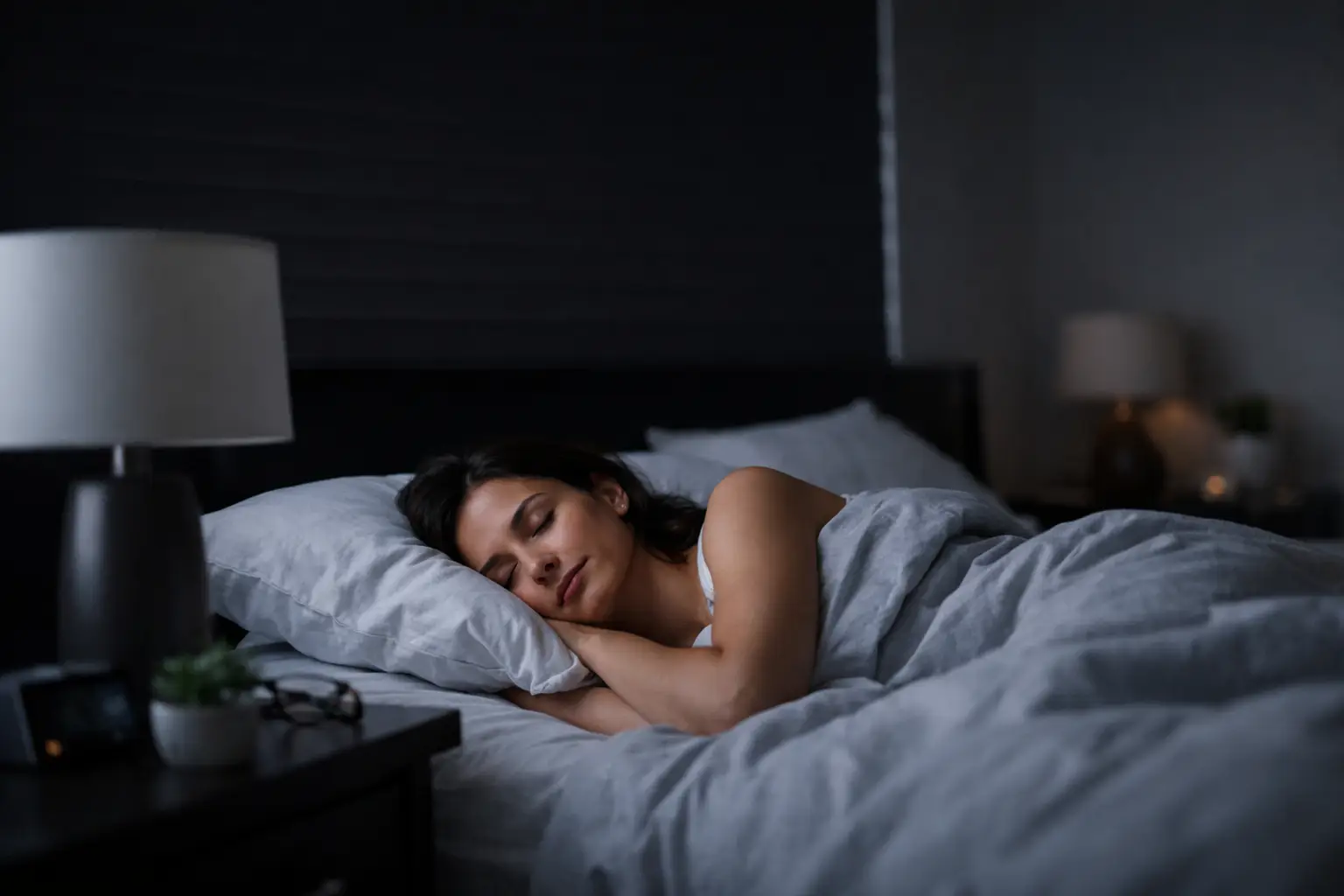
At 5am in summer, a bright bedroom can feel less like a place to rest and more like an alarm clock you never asked for. If you have ever been woken by early sunrise, streetlights or passing headlights, you will already have some idea of how blackout blinds improve sleep.
For many households, better sleep is not about changing everything. It is about fixing the practical things that keep disturbing it. Light control is one of the biggest of those factors, especially in bedrooms, nurseries and shift workers’ homes where good rest depends on the room staying dark when it needs to.
Why light makes such a difference to sleep
Your body responds to light as a signal to be awake. When a room gets brighter, especially in the early morning or late evening, it can affect your natural sleep-wake rhythm. That means even a comfortable bed and a quiet room may not be enough if light is still creeping in around the edges of the window.
This is where blackout blinds make a real difference. They are designed to reduce the amount of external light entering the room, helping create a darker environment that feels more settled and better suited to sleep. For people who struggle with early waking, children who are sensitive to light, or anyone trying to sleep during the day, that extra darkness can be a practical improvement rather than a small detail.
How blackout blinds improve sleep in real terms
When people ask how blackout blinds improve sleep, the answer is usually a combination of comfort, consistency and fewer interruptions.
The most obvious benefit is darkness. Blackout fabrics are made to block far more light than standard blinds, which helps the room stay dimmer through early sunrise and lighter summer evenings. In many homes across Coventry and the West Midlands, that matters most in south-facing bedrooms or properties on busier roads where outside lighting is harder to ignore.
There is also the issue of interrupted sleep. A room that suddenly brightens because of car headlights, security lights or dawn light can pull you out of deeper sleep without you fully realising why. Even if you drift off again, broken sleep often leaves you feeling less rested the next day. Blackout blinds help reduce those disruptions.
Then there is routine. Sleep tends to improve when your bedroom environment stays consistent. If your room feels dark at bedtime and remains dark until you are ready to get up, your body has fewer mixed signals to deal with. That can be useful for adults with irregular work patterns, young children with fixed bedtimes and anyone trying to improve poor sleep habits.
They are especially useful in certain rooms
Not every room needs blackout blinds, but some spaces benefit far more than others.
Bedrooms
This is the most common setting, and for good reason. In a bedroom, blackout blinds help create the right conditions for falling asleep and staying asleep. They are especially helpful in rooms affected by direct early morning sun or regular street lighting.
Nurseries and children’s rooms
Children often sleep better in darker rooms, particularly during naps and in the longer daylight hours of spring and summer. A blackout blind can help make bedtime feel more consistent, even when it is still light outside. For parents, that can mean fewer battles over settling down and less chance of a child waking too early.
Guest rooms and shift-worker bedrooms
If someone in the home works nights, darkness during the day becomes much more than a preference. It can be essential. Blackout blinds can help turn a bright daytime room into a more sleep-friendly space, although the exact result depends on the blind style, fit and the amount of light leaking around the window.
Blackout does not always mean complete darkness
It is worth being clear about one thing. Blackout blinds are highly effective, but they do not always create total darkness on their own.
That depends on the product and how it is fitted. A made-to-measure blackout blind will usually perform much better than an off-the-shelf option because it is tailored to the window size more precisely. Gaps at the sides can let light in, so accurate measuring matters. In some rooms, especially where very strong light control is needed, combining a blackout blind with curtains can give an even better result.
This is one reason expert advice can be helpful. The right solution is not only about the fabric. It is also about the window shape, the room’s orientation and how much light control you actually need.
Sleep benefits go beyond darkness alone
Light control is the main reason people choose blackout blinds for sleep, but it is not the only reason they help.
A well-fitted blind can also make the room feel more enclosed and calm, which many people find more comfortable at night. Some blackout fabrics include thermal or insulating properties too, helping the room stay at a more stable temperature. That can be useful in bedrooms that get too warm in summer or feel chilly in winter, because comfort has a direct effect on sleep quality as well.
Privacy is another benefit. If a bedroom overlooks neighbouring houses or a busy road, having proper coverage at the window often makes the room feel more restful. You are not just reducing light. You are creating a space that feels private, secure and properly set up for rest.
Choosing the right blackout blind for better sleep
The best blackout blind for sleep depends on the room and the finish you want.
Roller blinds are one of the most popular choices because they suit most bedrooms, look neat and work well with blackout fabrics. They are practical, low-maintenance and available in a wide range of colours, so it is easy to match them to the room without sacrificing performance.
Vertical blinds can also work in larger windows or patio doors, though they are more often chosen for living spaces and commercial rooms. In bedrooms, the focus is usually on achieving a close fit and strong light reduction, which is why roller blackout blinds are often preferred.
Motorised options can be useful too, particularly in family homes or for hard-to-reach windows. They add convenience, but the main sleep benefit still comes from the quality of the blackout material and how well the blind is measured and installed.
Why made-to-measure matters
If your main goal is better sleep, fit matters just as much as fabric.
A blind that is too narrow, slightly short or poorly aligned will still let in unnecessary light. That is often the problem with ready-made products. They may seem like a quick fix, but if they leave noticeable gaps, their effect in a bedroom is reduced.
Made-to-measure blackout blinds are designed around the actual window, which helps improve both appearance and performance. For homeowners, landlords and commercial clients, that means a cleaner finish and a more reliable result. It also removes the guesswork that often comes with self-measuring.
For customers who want a straightforward process, a full service that includes measuring, product advice and fitting can make the decision much easier. Companies such as Queen Blinds often help customers choose the right blackout option based on the room, how it is used and the level of darkness required.
Are blackout blinds right for everyone?
In many cases, yes, but there are trade-offs to think about.
If you like waking naturally with daylight, a full blackout solution may feel too dark unless you pair it with a gentler morning routine or smart control features. In living areas, complete light reduction is not always desirable either, especially if you want to keep the room bright during the day.
There is also a style consideration. Some homeowners assume blackout blinds will look heavy or purely functional, but modern designs are much more flexible than that. You can still achieve a smart, elegant finish while prioritising sleep-friendly performance. The key is choosing a fabric and colour that suit the room rather than treating blackout as a compromise.
Good sleep starts with practical decisions. A darker room will not solve every sleep issue, but it can remove one of the most common and avoidable disruptions. If your bedroom is too bright too early, blackout blinds are a simple change that can make nights feel longer, mornings less abrupt and rest more reliable.