


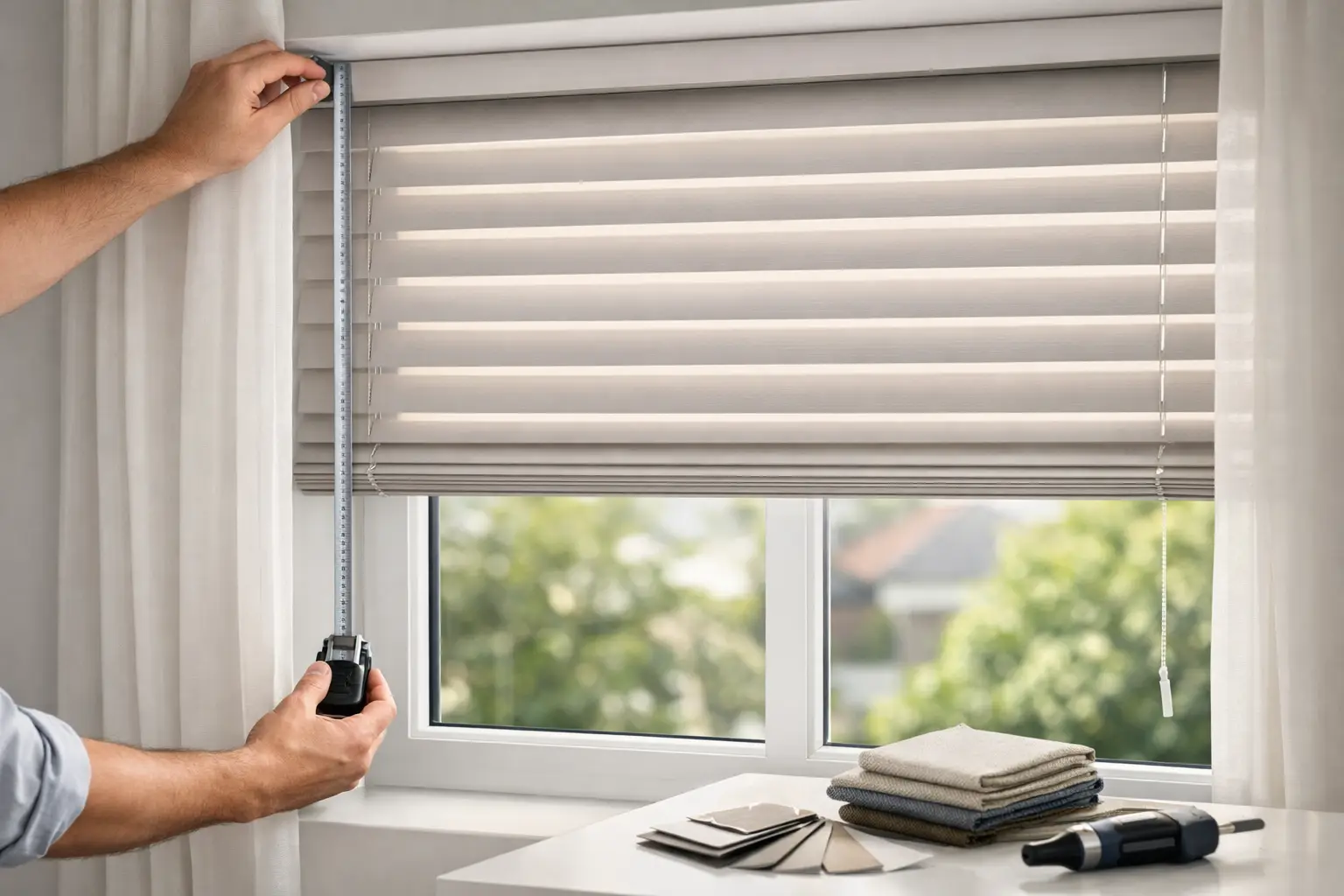
A blind that is a few millimetres off rarely looks like a major problem at first. Then the gaps let in early morning light, the bottom edge sits unevenly, or the mechanism catches every time you use it. That is usually the point people start asking: are made to measure blinds worth it?
The honest answer is yes, in many homes and commercial spaces they are. But not always for every window, every budget or every project. The value comes from how much a precise fit, a better finish and expert support matter to you.
Are made to measure blinds worth it for most properties?
For most properties, made to measure blinds are worth it because they solve the problems that off-the-shelf options often create. Windows are not as standard as people expect. Even in newer homes, small differences in width, recess depth and squareness can affect how a blind hangs and operates.
A custom blind is built for the exact window rather than being forced to fit as best it can. That usually means cleaner lines, better light control and a more polished result overall. In a bay window, a wide patio door, a bathroom with awkward proportions or an office that needs a smart, consistent finish, those details make a visible difference.
They also remove much of the guesswork. Instead of measuring yourself, comparing standard sizes and hoping for the best, you get a product tailored to the space. For many customers, that convenience is part of the value as much as the blind itself.
Where the extra cost goes
Made to measure blinds do cost more than buying a ready-made blind from a shop. The difference is not just in the material. You are paying for accuracy, customisation and usually a better standard of finish.
The price often reflects professional measuring, advice on the right blind type, the ability to choose fabric or slat finishes that suit the room, and fitting that ensures everything works properly from day one. If you are choosing blackout roller blinds for a bedroom, moisture-resistant Venetian blinds for a bathroom or vertical blinds for a commercial space, getting the specification right matters.
That is why the cheaper option is not always the better-value option. A blind that needs replacing quickly, never hangs properly or does not perform as expected can cost more in the long run.
Fit is the biggest reason people choose bespoke blinds
The clearest advantage of made to measure blinds is in the name. They are made to the exact dimensions of your window.
That matters for appearance, but it also matters for performance. Better fitting blinds can reduce light gaps, improve privacy and help the room feel more finished. If you have ever tried to sleep with daylight leaking around a poorly sized blackout blind, you will know that a near fit is not the same as the right fit.
In living rooms and offices, precision helps blinds sit neatly and operate smoothly. In kitchens and bathrooms, it helps you make the most of the available space without a bulky or awkward-looking installation. In family homes, a properly fitted blind also tends to feel sturdier and safer in everyday use.
Style choices make a real difference
One of the less obvious reasons bespoke blinds are worth considering is choice. With standard blinds, you are limited to what is on the shelf. That often means compromising on colour, texture, finish or functionality.
Made to measure gives you more control over the final look. You can choose a roller blind that softens a bright room without making it feel dark, a wooden-look Venetian blind that adds warmth without the upkeep of real wood, or a vertical blind that keeps a workspace practical and professional.
That level of choice is especially useful if you are renovating, furnishing a new home or trying to match an existing interior scheme. The blind stops being an afterthought and becomes part of the room design.
Performance matters as much as appearance
Blinds are not there just to look smart. Most customers want them to solve a practical problem.
That might be blocking light in a nursery, improving privacy in a front-facing lounge, reducing glare on office screens or helping with insulation in a draughty room. A made to measure blind gives you more chance of getting those details right because the product can be matched to the room’s needs.
Blackout fabrics, thermal or insulating options, UV protection and moisture-resistant materials all become more useful when combined with an accurate fit. Motorised and smart-controlled blinds can also be worth the investment in the right setting, particularly for large windows, busy households or commercial environments where ease of use is important.
When off-the-shelf blinds might be enough
There are cases where ready-made blinds do the job perfectly well. If you are fitting out a utility room, a short-term rental, a garage window or a space where appearance is less important, a standard blind may be fine.
The same can apply if your budget is very tight and the window size happens to match a shop-bought option closely enough. For some temporary solutions, spending less makes sense.
The key point is that cheap and suitable are not the same thing. If the room needs reliable blackout, a clean finish or long-term durability, cutting corners can be frustrating. A lower upfront price only feels like a saving if the product actually works for the space.
Are made to measure blinds worth it in older homes and awkward windows?
This is where bespoke blinds often justify themselves most clearly. Older homes across Coventry and the West Midlands often come with character features that are lovely to look at but less straightforward to dress. Bay windows, shallow recesses, uneven walls and non-standard dimensions can make off-the-shelf blinds a poor fit.
Made to measure blinds are usually the most practical answer because they are built around the window you have, not the one a manufacturer assumes you have. The same applies to commercial properties, where larger glazing, meeting rooms, reception areas or multiple windows need consistency as well as function.
In those situations, tailored measuring and fitting are not a luxury. They are what make the finished result look right and perform properly.
The service element is part of the value
People often compare only the product price, but service matters. Expert measuring helps avoid mistakes. Product guidance helps you choose the right blind for the room. Professional fitting saves time and means the blind is installed safely and neatly.
For many homeowners, landlords and business customers, that support is what makes made to measure worthwhile. It turns what could be a trial-and-error purchase into a straightforward process.
That is especially valuable if you are ordering several blinds at once, coordinating a renovation or fitting out a commercial property where time matters. A local specialist such as Queen Blinds can also offer practical advice based on the property type, the room use and the finish you want to achieve, rather than leaving you to work it all out alone.
How to decide if they are worth it for you
The simplest way to judge value is to ask what matters most in that room. If you care about a precise fit, smoother operation, better light control, stronger insulation or a more refined look, made to measure is usually worth the spend.
If the blind is going in a main bedroom, living area, front-facing room, office or any window that is difficult to fit, bespoke tends to make sense. If it is for a temporary fix in a less visible space, a standard option may be enough.
It also helps to think beyond the first invoice. A blind that fits properly, lasts well and still looks right after years of use often proves better value than one that was cheaper to buy but disappointing from the start.
A well-chosen blind should make the room easier to live or work in every day. When it does that while looking right and fitting properly, the extra investment rarely feels wasted.