


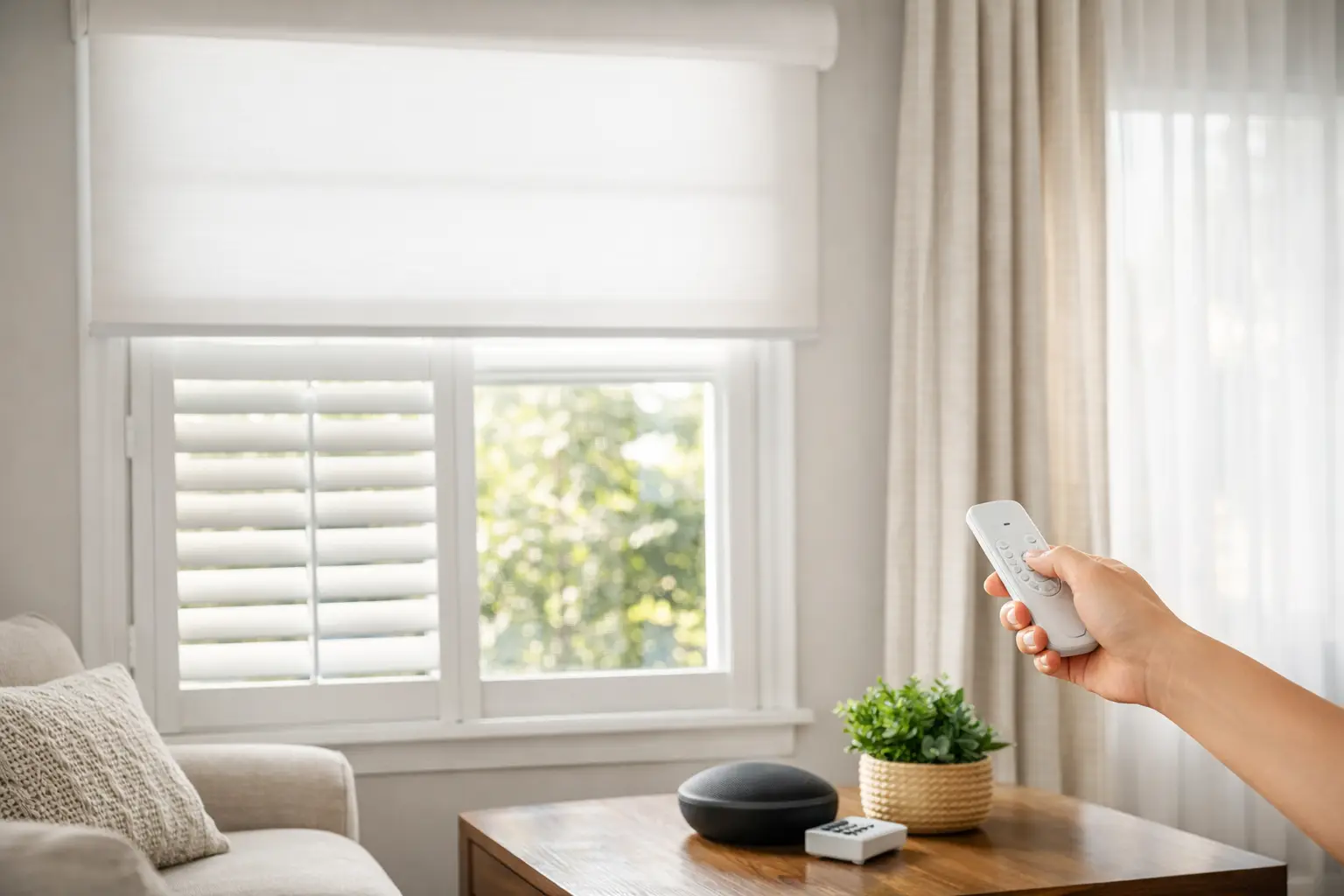
A bright south-facing lounge, a child’s bedroom that needs darkness at bedtime, or a street-level office with little privacy all ask different things of their window treatments. The right choice should do more than finish a room. It should make the space more comfortable to use, easier to maintain and better suited to everyday life.
Blinds are often one of the last decisions in a renovation or redecoration project, yet they have a noticeable effect on light, warmth, privacy and the overall look of a room. Choosing made-to-measure blinds gives you control over those details without relying on a one-size-fits-all solution.
Start with how the room is used
Before choosing a fabric, colour or slat finish, consider what happens in the room from morning to night. A blind that looks ideal in a showroom may not be the best option if it lets in too much early light, collects dust in a busy kitchen or feels impractical around young children.
Bedrooms commonly benefit from blackout roller blinds, particularly for children, shift workers and anyone whose window faces a streetlight. Blackout fabrics reduce incoming light far more effectively than standard materials, helping the room feel calmer at night. They can still be made in a colour and design that works with the rest of the décor, so practical performance does not have to mean a plain or heavy appearance.
In lounges and dining rooms, the priority is often flexible light control. Venetian blinds allow you to tilt the slats to soften glare while keeping some daylight in the room. This is useful for large windows, rooms with televisions and home-working corners where direct sun can become distracting.
Kitchens, bathrooms and utility rooms need a more durable approach. Moisture-resistant materials and easy-clean finishes are usually a sensible choice here. Roller blinds are popular because they sit neatly within the window area and are simple to wipe down, while aluminium Venetian blinds can offer precise control over privacy and daylight.
For offices, clinics, shops and other commercial premises, window coverings need to look professional while supporting the working environment. The right blind can reduce screen glare, protect furnishings from strong sunlight and help staff or customers feel less exposed. A practical, uniform finish across multiple windows also gives a workplace a more considered appearance.
Choosing window treatments for light and privacy
Light control is rarely an all-or-nothing decision. Most rooms need daylight during part of the day and privacy at other times. The best window treatments make that balance straightforward.
Roller blinds offer a clean, unfussy look and are available in a wide choice of fabrics, from light-filtering options to blackout materials. They work particularly well where you want the blind to disappear neatly when raised. A sunscreen or UV-filtering fabric can be a good middle ground in sunny rooms: it reduces harsh glare and helps protect flooring and furniture from fading, while preserving a lighter feel than a full blackout blind.
Venetian blinds are well suited to homes and workplaces where adjusting the direction of light matters. By tilting the slats, you can limit direct sunshine without making the whole room dark. Wooden-look composite slats bring warmth and texture but are also a practical alternative in spaces where natural wood may be affected by humidity.
Vertical blinds remain a strong choice for wide windows, patio doors and commercial settings. Their louvres can be angled for privacy or drawn to one side for a clear view and easy access. For larger glazed areas, that flexibility can be more useful than a standard blind that simply raises and lowers.
Privacy depends on more than the style of blind. Ground-floor windows facing a pavement may need a different fabric or slat setting from an upstairs bedroom. During a home appointment, it is worth looking at the window from outside as well as inside. That simple check often reveals where a sheer fabric will be enough and where a more opaque option is the better fit.
Comfort can begin at the window
Windows are a common source of heat loss in colder months and unwanted warmth in summer. Blinds will not replace quality glazing or insulation, but they can play a useful supporting role in making a room feel more comfortable.
Certain roller blind fabrics include thermal or insulating layers that help reduce the chilly feeling near a window. In a bedroom, bay window or living room where people sit close to the glass, this can make a real difference. The fit matters too. A blind measured to the window correctly will give a cleaner finish and generally leave fewer awkward gaps than an off-the-shelf alternative.
In sunny rooms, UV-protective and solar-control fabrics can reduce glare and help moderate the intensity of direct sunlight. This is particularly useful in conservatories, garden-facing rooms and offices with large windows. However, it is worth being realistic: a darker blackout blind gives stronger light reduction, while a lighter filtering fabric generally keeps the room feeling more open. The right option depends on whether your priority is daylight, temperature, privacy or a combination of all three.
Style should suit the room, not just the trend
Blinds are available in a far wider range of colours, textures and finishes than many people expect. That choice is useful, but it can make an online decision feel unnecessarily difficult. Seeing samples against your wall colour, flooring and furnishings is often the easiest way to judge what will actually work.
A neutral roller blind can give a modern room a quiet, polished finish. A soft textured fabric may add warmth to a bedroom without introducing a busy pattern. Venetian blinds can create a sharper, more architectural look, especially in kitchens, studies and contemporary living spaces. Vertical blinds are often chosen for their practicality, yet the right fabric and colour can make them feel just as considered in a home as they do in a workplace.
It is also worth thinking about what needs to happen around the window. Doors that open inwards, deep sills, radiators, handles and fitted furniture can all influence which blind style will operate best. A professional measure is not simply about getting the width right. It considers the practical details that affect the finished result every day.
Why made-to-measure fitting saves trouble
Measuring a window can look simple until you encounter a recess that is not square, a bay with several angles or a door that needs full clearance. Even a small measurement error can leave a blind dragging, catching on a handle or allowing more light through than expected.
Made-to-measure blinds are tailored to the individual window and installed with the room in mind. This is especially valuable for older properties, new-build homes with varied window sizes, and commercial spaces with multiple openings. It also removes the uncertainty of ordering a product that may not suit the room once it arrives.
At Queen Blinds, the process begins with a free home appointment, where you can discuss the room, see suitable samples and receive advice based on how you want the window to perform. Expert measuring and fitting then take care of the details, from the first quote through to a neat, reliable installation.
Do not overlook safety and everyday upkeep
For homes with young children or pets, blind safety should be part of the initial conversation. Cords and chains must be fitted and used appropriately, with suitable safety devices where required. Motorised options can also be a convenient choice for hard-to-reach windows, larger installations or households that prefer a cleaner, cord-free finish.
Maintenance is another practical consideration. Roller blinds usually need only occasional dusting or a gentle wipe, depending on the fabric. Venetian slats take a little more attention because each slat can collect dust, but their durable surfaces are straightforward to clean. Choosing a style that suits your available time is often wiser than choosing purely on appearance.
The most successful blind choice is the one that still works well on an ordinary Tuesday morning: it gives you the privacy you need, manages the light you do not want and looks right in the room you have created.