


A blind can look perfect in a showroom or on a screen, then feel completely wrong once it is up at your window. The issue is rarely just colour or pattern. When people ask how to choose made to measure blinds, what they usually need is a clear way to balance style, privacy, light control and practical day-to-day use.
Made to measure blinds are worth choosing carefully because they do more than cover a window. They shape how a room feels in the morning, how much privacy you have in the evening, and how comfortable the space stays through the seasons. A better fit also gives a cleaner finish, with fewer gaps and a far more polished look than off-the-shelf options.
How to choose made to measure blinds for each room
The best place to start is not with the blind type but with the room itself. A bedroom, kitchen and office can all need very different things, even if you want a consistent look across the property.
In bedrooms, light control is often the priority. Blackout fabrics are a strong choice if early sun or street lighting affects sleep, but they also need to work with the room’s style. A soft neutral roller blind can keep the space calm and simple, while still doing the practical job well.
In kitchens and bathrooms, moisture resistance and easy cleaning matter more. Fabrics that mark easily or absorb damp air can become frustrating quickly. This is where practical finishes and low-maintenance materials tend to make more sense than purely decorative choices.
For living rooms, it often depends on how the room is used. If it is a television room, glare reduction may matter as much as appearance. If it is a family space facing the street, privacy could come first. In offices and commercial settings, the focus usually shifts towards glare control, a tidy professional appearance and something durable enough for regular use.
Start with function before style
Most people naturally begin with what they like the look of. That is understandable, but function should lead the decision. Once you know what the blind needs to do, narrowing down the finish becomes much easier.
Ask yourself whether the main goal is privacy, blackout, filtered daylight, insulation, child safety or ease of operation. Some blinds are excellent at one job but average at another. Venetian blinds, for example, are very useful for adjustable light control, while roller blinds can be ideal when you want a simple, clean look with blackout or sunscreen fabric options.
Vertical blinds are often overlooked in homes, yet they can be a very sensible choice for larger windows, patio doors and workspaces. They offer good light management and a neat appearance without making the room feel heavy. The right option is often the one that suits your routine, not just your Pinterest board.
Which blind style suits your window
There is no single best style, only the most suitable one for the window and the room.
Roller blinds are popular for good reason. They are streamlined, versatile and available in a wide range of fabrics, from blackout to light-filtering. They work particularly well in bedrooms, kitchens, bathrooms and modern commercial interiors where a simple finish is preferred.
Venetian blinds offer more control over daylight because the slats can be tilted throughout the day. They suit spaces where privacy and flexible light levels are both important. Wooden-look composite styles are especially practical if you like the warmth of timber but need something more resistant to moisture and easier to maintain.
Vertical blinds are often the practical answer for wide windows and glazed doors. They are easy to adjust, can help cut glare and tend to suit offices, conservatories and larger living areas. They may not be everyone’s first design choice, but in the right setting they look smart and work extremely well.
If you are choosing for more than one room, consistency does not have to mean installing the same blind everywhere. Often, the best result comes from using different blind types in different spaces while keeping the colours or finishes coordinated.
Think carefully about light and privacy
Light control is one of the biggest reasons people replace old blinds. A room that is too dark can feel flat, but a room that is too bright can be uncomfortable, especially if screens, televisions or south-facing windows are involved.
This is where fabric and slat choice matter. A blackout blind is useful in bedrooms, nurseries and media rooms, but it may feel too heavy in spaces where you want daylight during most of the day. A light-filtering option can soften glare while keeping a brighter feel. UV-protective fabrics are also useful if you want to help protect flooring, furniture or display stock from sun exposure.
Privacy needs can change by room and even by time of day. A front-facing lounge may need daytime filtering and stronger evening privacy. A bathroom needs dependable privacy at all times, but still benefits from natural light. The right blind should support how you use the room rather than force you to compromise.
Don’t overlook insulation and energy efficiency
Blinds are often chosen for appearance first, but they can also improve comfort. Well-fitted made to measure blinds can help reduce draughts at the window and support temperature control throughout the year.
This matters most in rooms that feel cold in winter or take on too much heat in summer. Insulating fabrics and a closer fit can make a noticeable difference, especially on larger windows or older properties. It will not replace proper glazing, of course, but it can help a room feel more comfortable and may support energy efficiency over time.
For business premises, that practical benefit can be just as important as the visual one. Staff comfort, screen glare and room temperature all affect how well a workspace functions.
Measurements matter more than most people expect
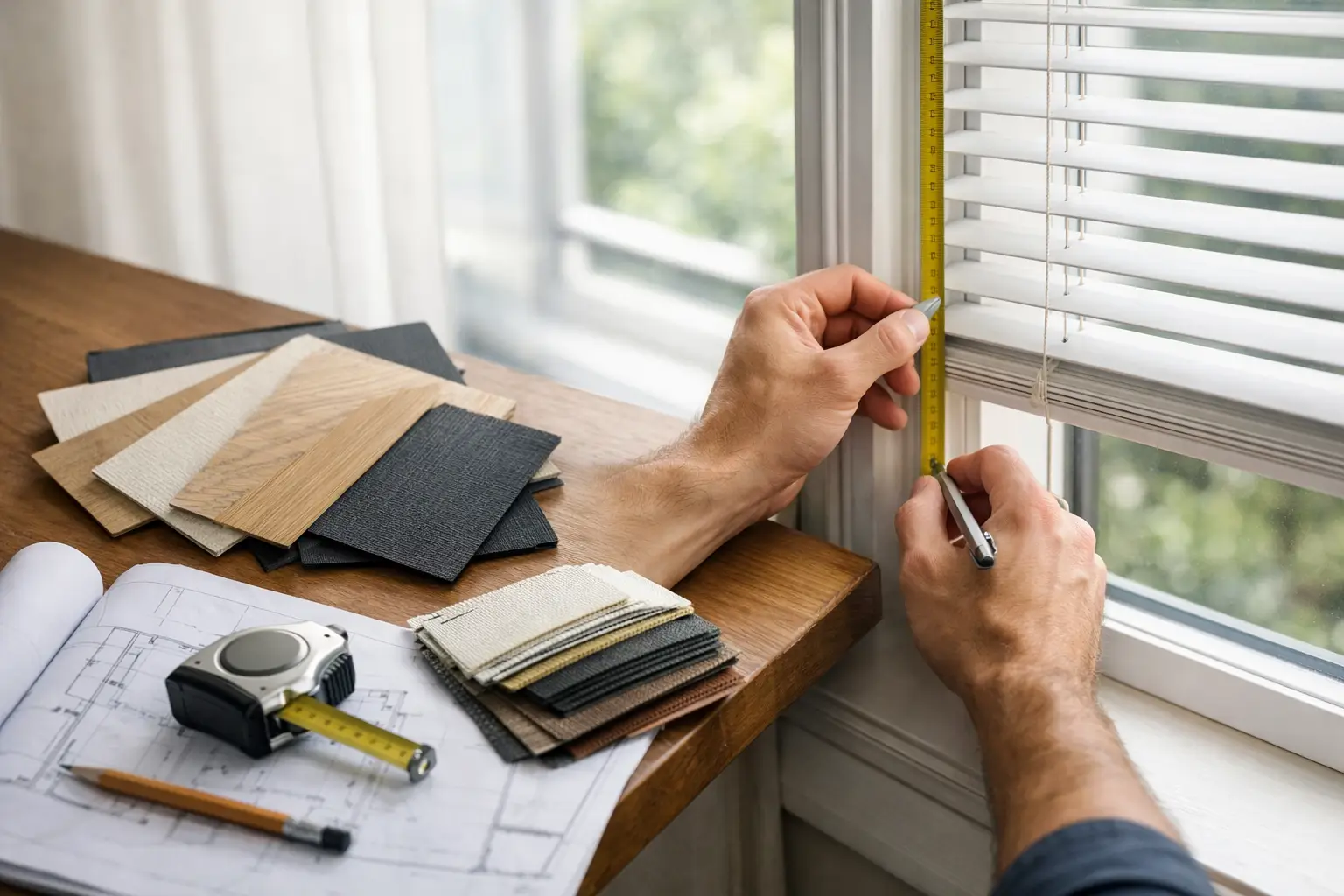
Even the best blind can disappoint if the measuring is not right. Gaps at the edges, poor alignment and awkward operation are common problems with self-measured orders. That is one of the main reasons made to measure blinds are such a better long-term choice.
A professional measure does more than confirm width and drop. It accounts for recess depth, handle clearance, window shape and how the blind will sit once installed. That is especially useful in older homes where windows are not always perfectly square, and in commercial spaces where a clean, consistent finish is important.
If convenience matters, a full service that includes measuring and fitting removes a lot of avoidable stress. It also gives you the chance to talk through practical details in person instead of guessing from product descriptions.
Safety, maintenance and everyday use
A blind may look impressive on day one, but the real test is how it performs after months of daily use. If the blind will be opened and closed regularly, choose a system that feels easy and reliable rather than fiddly.
For family homes, child safety should be part of the decision from the start. Safe operating options and professionally fitted systems help reduce risk and bring peace of mind. Motorised blinds are also worth considering if you want added convenience, easier access on hard-to-reach windows or a cleaner look with fewer manual controls.
Maintenance is another point that gets missed. In kitchens, bathrooms and busy commercial premises, wipe-clean surfaces can be far more practical than textured materials that hold dust or stains. A beautiful blind is only a good choice if it still feels manageable six months later.
Why expert advice makes the choice easier
There is a reason people often feel unsure after browsing dozens of blind options online. Without seeing materials properly or understanding how they will work in the actual room, it is easy to second-guess the decision.
Expert advice helps narrow the choice quickly. A good consultation should focus on your room, your priorities and your budget, not on pushing the most expensive option. That means looking at how much privacy you need, how the light enters the room, whether moisture is a factor, and what finish will suit the wider interior.
For customers across Coventry and the wider West Midlands, this is where a local made-to-measure specialist such as Queen Blinds can make the process far more straightforward. Seeing samples at home, getting precise measurements and having fitting included usually leads to a better result than trying to piece everything together yourself.
The right blinds should feel like they were always meant for the room – practical when they need to be, stylish without trying too hard, and fitted well enough that you stop noticing them and simply enjoy the difference.